
They live between 4 and 8 weeks during the flowering season.
During this time, they perform various tasks in the hive, such as cleaning, feeding larvae, and collecting nectar and pollen.
Communication through Dance
They communicate through a complex dance that indicates the direction and distance of food sources.
This dance, known as the “bee dance,” was discovered by Karl von Frisch, who won the Nobel Prize for his research.
Additional Vital Functions
Besides building, worker bees perform tasks critical for survival:
- Ventilation: They act as the hive’s natural air conditioning, fanning their wings to reduce the internal temperature.
- Hive Regulation: They make important decisions about hive management, including feeding the queen.
- Resource Gathering: They are responsible for searching for nectar and pollen within a certain radius, which can save the environment through pollination.
- The intensity of their work determines their lifespan; the more they work, the faster they age, working tirelessly until the end of their days.
Worker bees are the true engine and backbone of the hive.
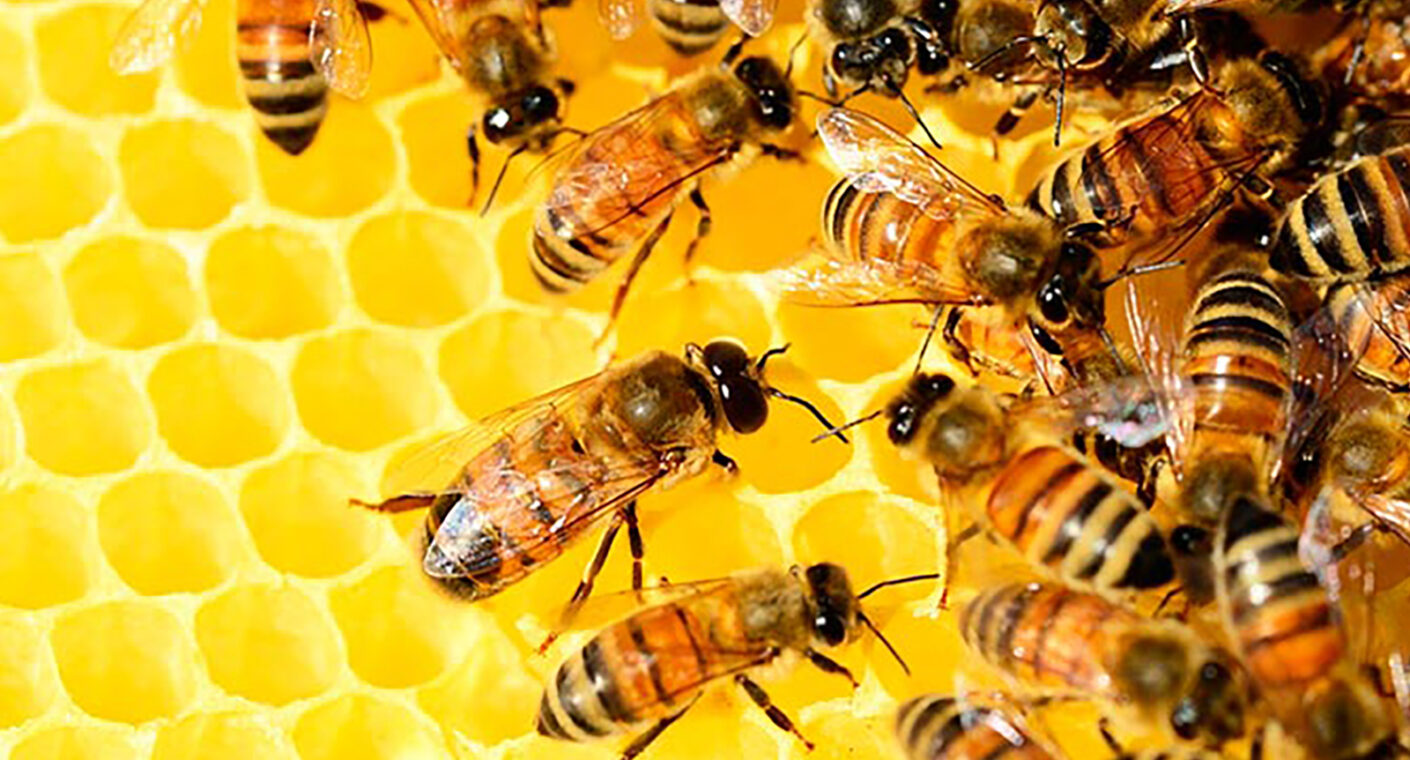
They are infertile females, smaller than the queen, and a colony can contain between 10,000 and 70,000 of these tireless workers. Throughout their short lifespan, which lasts between four and six weeks in summer, they perform multiple roles organized by age, all of which are essential for the construction and survival of the colony.
The Life of a Worker Bee: Tasks and Development
Worker bees do not specialize in a single task, but rather follow a process of “temporary polyethism” (changing roles according to age):
- Cleaners (days 3-10): As soon as they hatch, their first task is to clean the wax cells so that the queen can lay new eggs and ensure the hygiene of the hive.
- Nurses: They feed the larvae with royal jelly, pollen, and honey, in addition to caring for the queen.
- Builders/Wax Makers: They produce wax through specialized glands and shape the hexagonal cells of the honeycomb with their mandibles.
- Guardians: They guard the entrance of the hive to prevent the entry of invaders.
- Foragers: This is the final stage, where they go out to find nectar, pollen, propolis, and water for the colony.
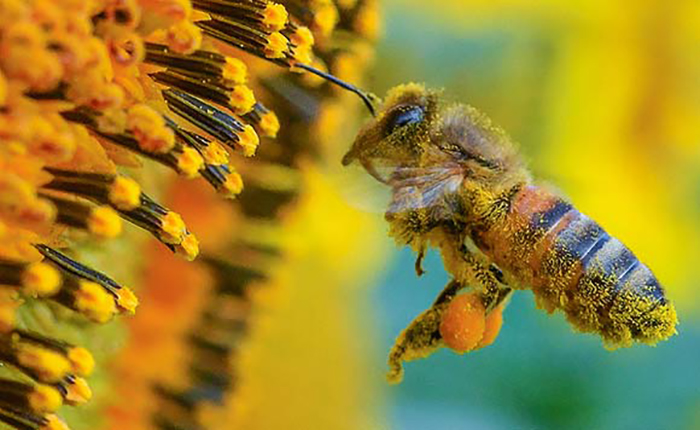
Selective Pollination:
They are very selective in their pollen and nectar collection. Each bee works with only one flower species at a time, making them extremely efficient and faithful pollinators.
Sense of Sense: They have up to 500,000 olfactory pores on their antennae, allowing them to detect odors with great precision, crucial for finding flowers and communicating within the hive.
Honeycomb construction:
Bees build honeycombs with wax produced by their wax glands. The hexagonal shape of the cells is the most efficient for storing honey and brood, using the least amount of wax.
As tireless builders, worker bees are responsible for creating the honeycomb structure, a feat of natural engineering made of wax.
- Wax Production: They use their own bodies to generate the wax necessary to build the honeycombs where they store honey and raise new bees.
- Hexagonal Structure: They shape the cells into hexagons, the most efficient way to store the maximum volume of honey using the minimum amount of wax.
- Maintenance: They not only build but also repair and maintain the structure, cleaning the cells for reuse.
Nature’s best container:
Wax is waterproof and is the most suitable natural substance created by a living being for containing liquid foods, such as nectar or honey.
Ultraviolet vision:
Bees can see ultraviolet light, which helps them identify flowers and follow patterns invisible to humans. This ability is essential for their pollination work.
Defense of the hive:
Bees defend their hive with their stinger. Although they only sting as a last resort, the sting can be fatal, as they lose some of their vital organs in the process.
Bee venom:
Used in medical therapies, bee venom is 500,000 times more potent than any known antibiotic. This venom is used in treatments for various medical conditions.
Tireless work:
A worker bee makes up to 15 foraging trips a day, visiting around 100 flowers on each trip. This tireless work is crucial for honey production.
Hive organization:
They keep the hive clean and organized. From cleaning the cells to regulating the temperature and humidity inside, their work is essential for the hive’s survival.
Orientation pheromones:
They navigate and communicate using pheromones within the hive. The Nasonov gland, at the end of their abdomen, emits a lemon-scented pheromone that helps lost bees find their way back to the hive. Larval feeding: Nurse bees feed the larvae with a mixture of nectar and pollen, and the future queens with royal jelly, thus ensuring the proper development of each type of bee.