
Arriving in Colombia, in the Cauca region, is like stepping into a beautiful postcard. It’s like dreaming of a stunning landscape and making that dream a reality. Its diverse flora and rugged, wild, and exuberant geography evoke ancient times, when humankind was just beginning to colonize the Earth.
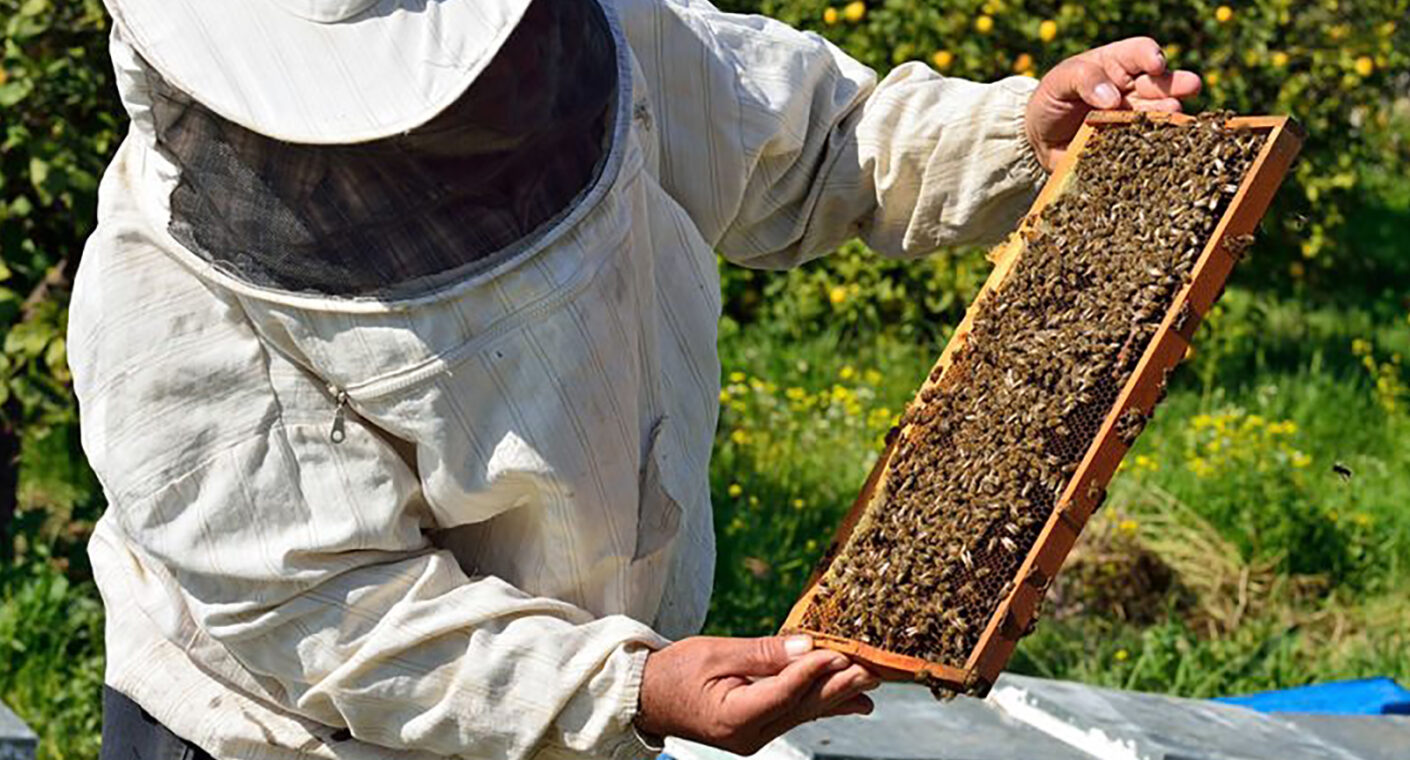
When that happened, some 5 to 7 million years ago, bees had already been evolving for about 350 million years. Beekeeping arose from this coexistence. Today, it’s not only a vital sector for the rural economy, but humanity is also increasingly dependent on honeybees for food security.
Despite this, human activity has caused drastic changes in ecosystems that threaten bees. The introduction of agrochemicals for controlling plant pests, monoculture and intensive farming, along with the development of new pests and diseases that affect them, are some examples.
Colombia and its beekeeping industry are not immune to these events.
While the excessive, repeated, and careless use of pesticides, nutritional problems, or the harmful effects of certain parasites are often blamed, little is documented about the health gaps that contribute to the decline in bee populations. Even less is research into aspects related to poor beekeeping and sanitary practices, which stress and disrupt the dynamic equilibrium of the hive.
The problem is significant, considering that mass bee deaths can be observed and quantified, whereas these other declines are slow and, in the short or long term, decimate colonies, jeopardize their future, and prevent efficient production, resulting in considerable economic losses.
Given that health risks increase as beekeeping practices intensify, the greatest effort for the sector’s development should be directed toward training beekeepers.
This is the premise behind the 2020 Latin American Apicultural Health Project, led by the Fraunhofer Chile Research Foundation and targeting four Latin American countries: Chile, Colombia, Argentina, and Costa Rica.
The project employs scientific methods to identify the causes that may be contributing to the decline in the health of bee colonies. The data obtained through field monitoring informs the content of eight theoretical and practical training sessions delivered to participating beekeepers.
In this way, we hope to generate changes in how the individual and collective health of honeybee populations is managed, with a preventative approach and a holistic perspective. The goal is to reduce the risk of disease and, consequently, improve the productivity and quality of bee products in accordance with international standards.
In Colombia—in partnership with the Comfacauca University Corporation in Popayán—between 2018 and 2019, four geographic areas of Cauca were monitored, covering 385 beehives belonging to 77 beekeepers. Subsequent training sessions were attended by 117 beekeepers.
They are the seed of a project that can germinate and expand to beekeeping throughout Cauca and even beyond.
The preliminary results of the monitoring, along with information obtained during the exchange with the beekeepers, reveal that the path to achieving modern beekeeping, with healthy hives managed in sustainable production systems, is long and complex. But it is possible.
Reaching this goal will depend on the beekeepers and, especially, on public policies and regulations that protect the inseparable partnership between beekeeper and bees.